Deep dive map - where to start and what to open next
If you are solving this exact problem right now, open the tools in the same order shown below and keep this article open as your checklist. This avoids skipping steps that usually cause rework.
Start with Typing Speed Test (60s), Typing Accuracy Test, Paragraph Typing Test, 30-Second Typing Test. Then continue reading Monthly Finance Planning with Practical Online Calculators, Hinglish to Hindi Workflow for Cleaner Devanagari Output, Privacy-First Browser Tools for Daily Workflows, Developer Validation Stack: JSON, Regex, Schema, and SQL Workflow, Temporary Email and Alias Workflow for Safer Signups, SEO Content Workflow with Meta, Slug, and Reading Time Tools, Compress and Convert Images for Faster, Lighter Web Pages, JSON, CSV, and Base64: A Clean Data Conversion Workflow, Password and Identity Hygiene with Free Browser Tools, Plan Loan EMI, Interest, and Prepayment Without Surprises, GST and VAT Invoicing Without the Common Errors, Writing SEO Titles, Slugs, and Meta Descriptions That Work, Using AI Tools Responsibly for Content and Code, Network Diagnostics in the Browser: IP, DNS, Ping, and Ports for connected workflows.
Speed follows accuracy, not the other way around
The instinct is to type as fast as possible, but every mistake costs the time to notice and fix it, which drags your effective speed down. Real improvement comes from typing accurately first; speed rises naturally as the movements become automatic.
Short, regular sessions beat occasional long ones, because typing is muscle memory and memory is built by repetition.
A ten-minute daily routine
Warm up with the 30-Second Typing Test to loosen up, then do a focused round on the Typing Accuracy Test, slowing down enough to keep errors near zero.
Finish with the Paragraph Typing Test for realistic flow with punctuation and capitalization, then take the 60-second Typing Speed Test to measure progress over time.
- Prioritize zero errors before pushing for speed.
- Keep sessions short and daily rather than long and rare.
- Track your words-per-minute weekly to see the trend, not day-to-day noise.
Fixing the habits that slow you down
Most speed is lost to looking at the keyboard, using only a few fingers, and tensing up. Practice touch typing with your eyes on the screen, use all fingers, and stay relaxed.
Because the tests run in your browser, you can practice anywhere with no setup, which makes the daily habit easy to keep.
Why this is useful in depth
You build real typing speed by training accuracy first and practicing in short, consistent sessions instead of chasing a number once.
Frequently Asked Questions
Should I focus on speed or accuracy first?▼
Accuracy first. Errors cost time to fix and break your rhythm. Once you type cleanly, speed rises on its own.
How often should I practice?▼
Short daily sessions of about ten minutes work better than rare long ones, because typing is muscle memory built through repetition.
What is a good typing speed?▼
Around 40 words per minute is solid for everyday use, and 60-80 is fast. The right target is steady improvement from wherever you start.
Does looking at the keyboard slow me down?▼
Yes, significantly. Touch typing with your eyes on the screen is one of the biggest speed gains once it becomes comfortable.
Why does my speed vary between tests?▼
Short tests are noisier because a single stumble has a big effect. Use the trend over a week, not a single result, to judge progress.
Explore all blog posts
Continue with these internal links for more practical tool workflows.
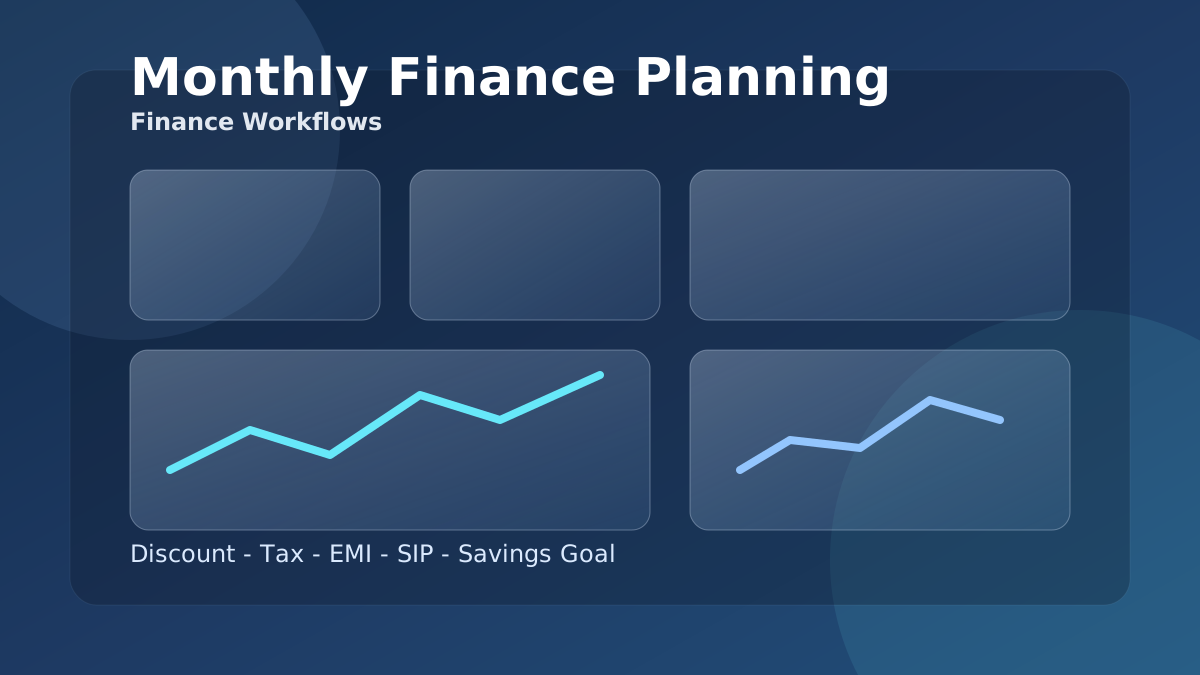
Monthly Finance Planning with Practical Online Calculators
If your month-end budget keeps changing after every invoice check, this guide shows a stable calculator sequence for tax, EMI, SIP, and savings decisions.
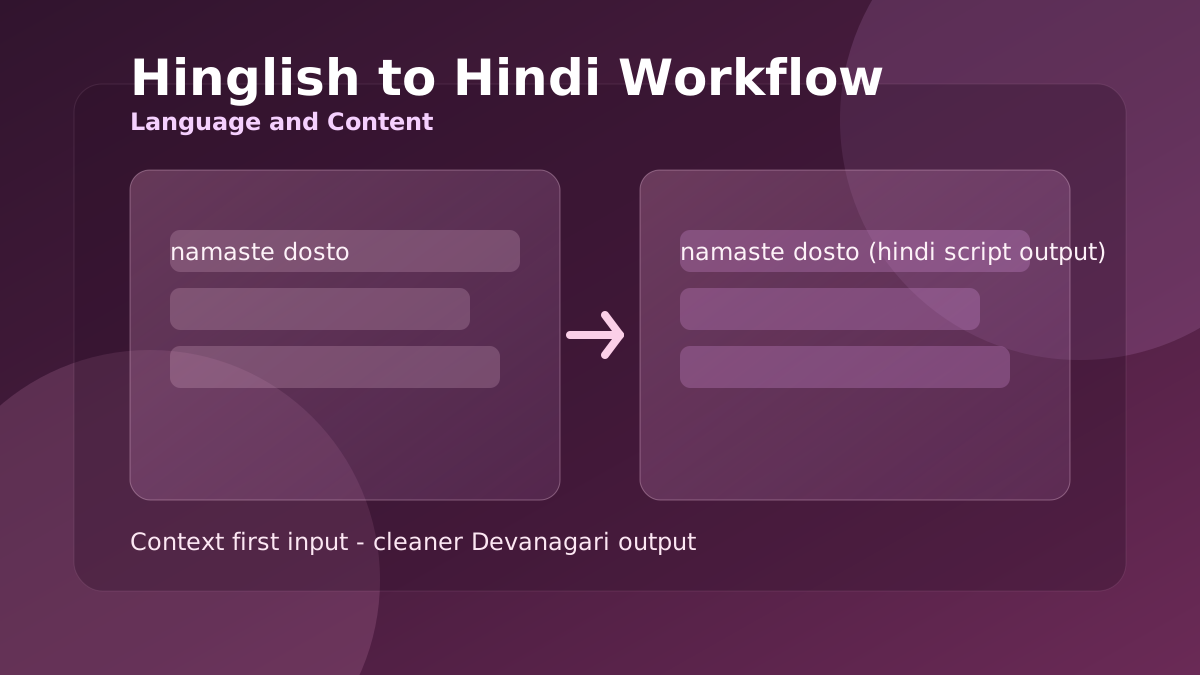
Hinglish to Hindi Workflow for Cleaner Devanagari Output
When Roman Hindi captions look correct but Devanagari output feels awkward, this workflow helps you produce readable Hindi for posts, chats, and support replies.
Privacy-First Browser Tools for Daily Workflows
A browser-first routine for handling client notes, drafts, and sensitive text tasks without pushing raw data to random third-party tools.
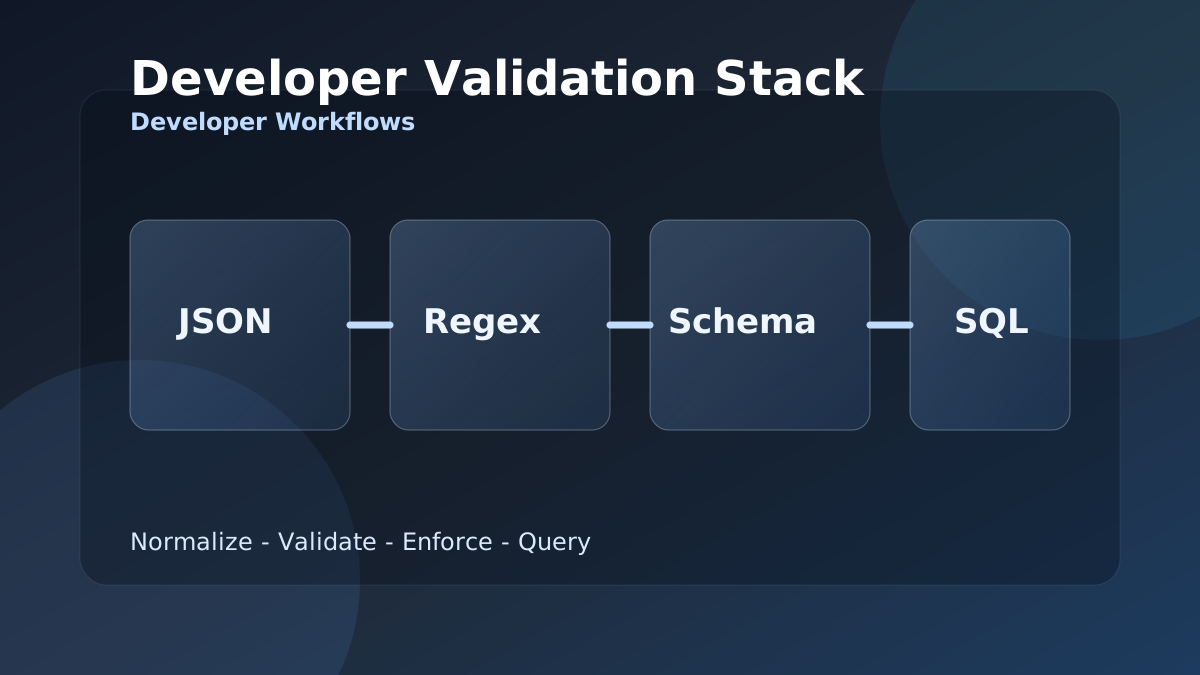
Developer Validation Stack: JSON, Regex, Schema, and SQL Workflow
When integration bugs come from malformed payloads and weak field checks, this stack gives developers a repeatable JSON to SQL validation workflow.
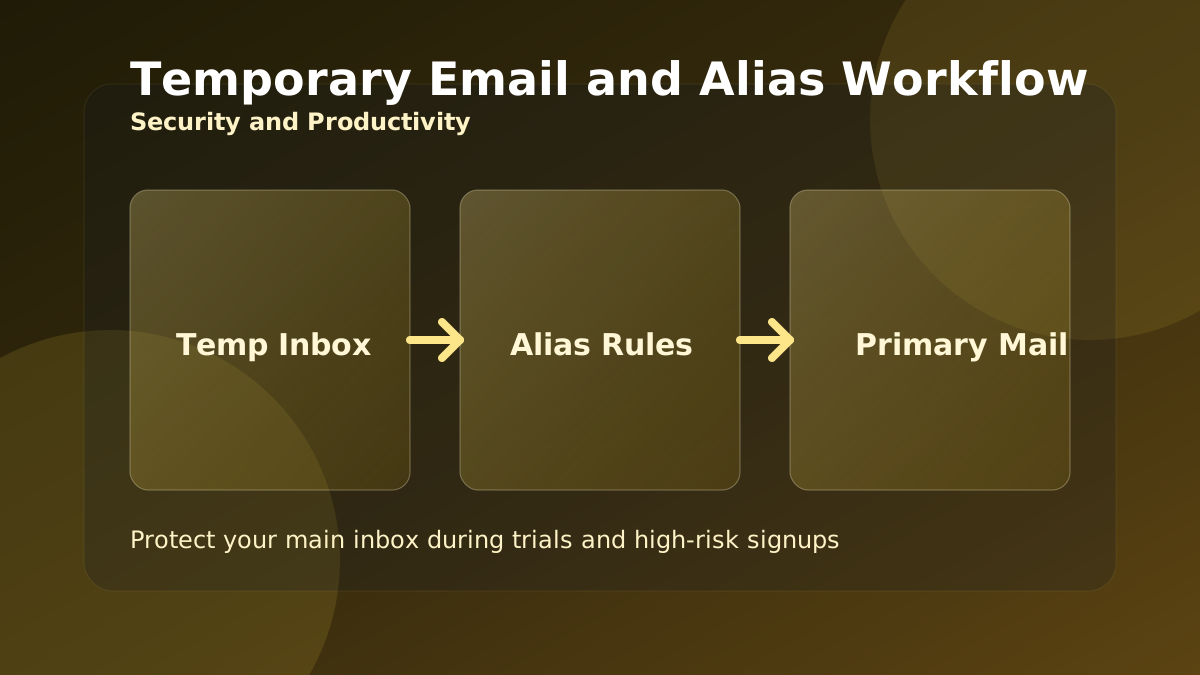
Temporary Email and Alias Workflow for Safer Signups
Use temporary inboxes and aliases the right way to protect your main mailbox during trials, product research, and high-risk signup flows.
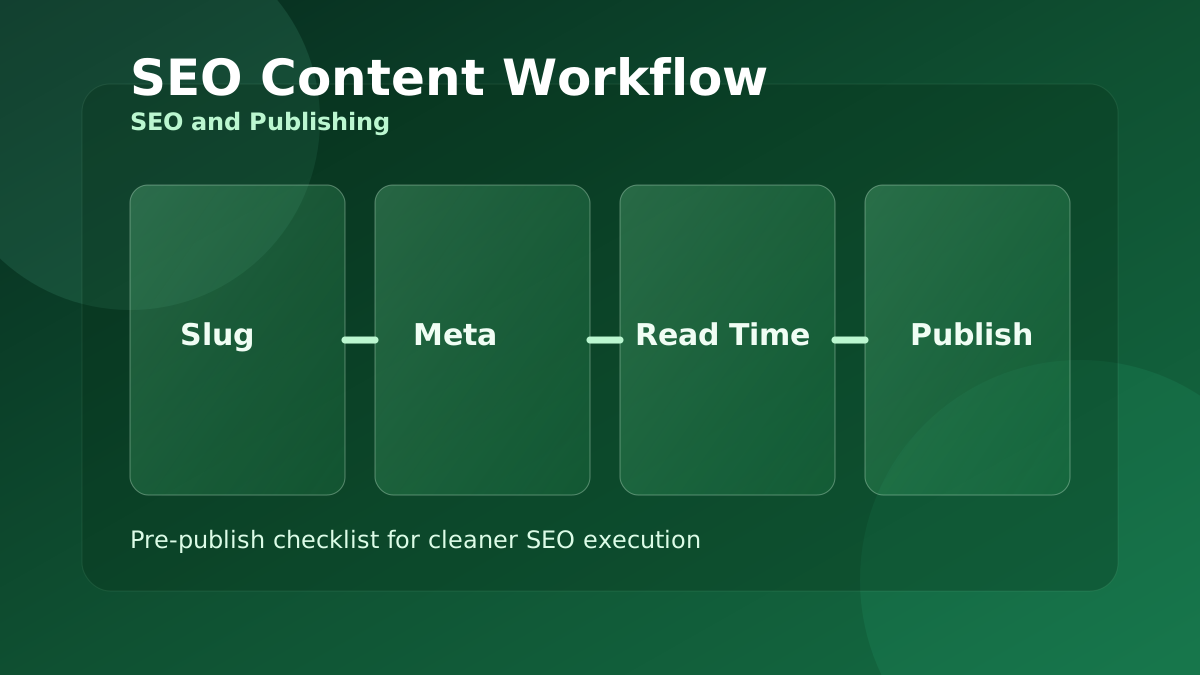
SEO Content Workflow with Meta, Slug, and Reading Time Tools
A practical pre-publish workflow for content teams that need cleaner slugs, stronger metadata, and better readability before publishing.
Compress and Convert Images for Faster, Lighter Web Pages
Large images are the most common reason pages load slowly. This guide shows a simple browser-only routine to resize, compress, and convert images to the right format.
JSON, CSV, and Base64: A Clean Data Conversion Workflow
Moving data between a spreadsheet, an API, and your code means converting formats without corrupting it. Here is a reliable order of operations using free browser tools.
Password and Identity Hygiene with Free Browser Tools
Strong passwords, throwaway emails, and verified downloads are the basics of staying safe online. This guide turns them into a quick, repeatable routine.
Plan Loan EMI, Interest, and Prepayment Without Surprises
The monthly EMI is only half the story. This guide shows how to see the total interest, compare terms, and understand why early prepayment saves the most.
GST and VAT Invoicing Without the Common Errors
Most invoice disputes come from applying tax and discount in the wrong order, or confusing tax-inclusive and tax-exclusive prices. Here is how to get it right every time.
Writing SEO Titles, Slugs, and Meta Descriptions That Work
Before you publish, a few minutes on the title, slug, meta description, and readability pays off in clicks. This is a simple pre-publish checklist using free tools.
Using AI Tools Responsibly for Content and Code
AI helpers can draft a summary, a reply, or a SQL query in seconds. Used well they save time; used carelessly they introduce errors. Here is how to get the upside safely.
Network Diagnostics in the Browser: IP, DNS, Ping, and Ports
When a site is slow or unreachable, a few quick checks tell you whether the problem is your connection, DNS, or the server. Here is a simple triage order.